
New York congestion pricing clears constitutional appeal as study finds no air-quality harm
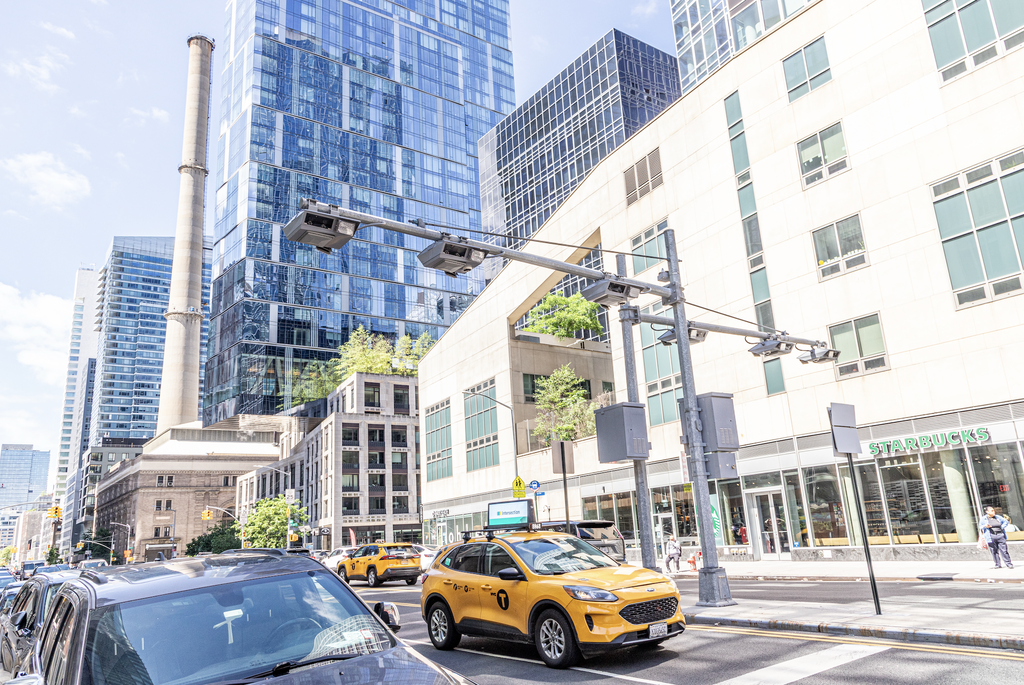
New York’s congestion-pricing programme has secured another legal victory, while a new city study has found no evidence that it caused increased air pollution in communities outside Manhattan’s tolling zone.
On 13 July, the US Court of Appeals for the Second Circuit upheld the dismissal of constitutional challenges brought by Rockland and Orange counties against the Triborough Bridge and Tunnel Authority and Metropolitan Transportation Authority (MTA). The counties argued that the Central Business District Tolling Program was an unauthorised tax and infringed the constitutional right to travel, due process and equal protection.
Rockland County also brought a claim under the prohibition on excessive fines. The appeals court found that the charge imposed no more than a minor restriction on travel and did not create an invidious distinction between motorists. It held that the toll was a reasonable user fee and was rationally related to legitimate state objectives, including reducing congestion and financing public transport.
The court assumed, without deciding, that the toll was not a tax under New York law. It also rejected the due-process, equal-protection and excessive-fines claims and upheld the lower court’s decision not to allow amended complaints. The case is separate from the continuing dispute between the MTA and the federal administration over federal approval for the charging programme.
The legal ruling was followed on 14 August by the first comprehensive New York City Health Department evaluation of the programme’s effect on neighbourhood air quality. Researchers examined fine particulate matter, nitrogen dioxide, nitric oxide and black carbon within the Congestion Relief Zone and in environmental-justice communities alongside major road corridors.
Data covering the year before and the year after charging began were adjusted for weather, seasonal variation, wildfire smoke and wider regional pollution patterns. The study found that pollution levels remained stable or improved slightly across the city. It found no statistically significant deterioration attributable to congestion pricing in environmental-justice communities alongside the Cross Bronx, Major Deegan, Brooklyn-Queens, Staten Island, FDR and Trans-Manhattan expressways.
Air quality within the charging zone was also not significantly different because of congestion pricing, despite the reduction in vehicle traffic. The report said this was not unexpected because road traffic accounts for approximately 14% of the city’s fine particulate emissions and 20% of its nitrogen oxide emissions. “As this study confirms, that didn’t happen, and congestion pricing is already funding additional investments to further improve air quality,” said MTA chair and CEO Janno Lieber, referring to concerns that drivers avoiding the toll would redirect pollution into other communities.
The programme is supporting more than US$120m (£89m) of air-quality and public-health initiatives, including US$20m (£15m) to improve childhood asthma outcomes in the Bronx.